Rustic Finish Porcelain Tiles: Texture, Uses & Specification Guide
Learn what a rustic porcelain finish means visually, how texture affects maintenance and lighting, and what technical checks should be made before project approval.
Rustic finish is about surface character; suitability still comes from product data
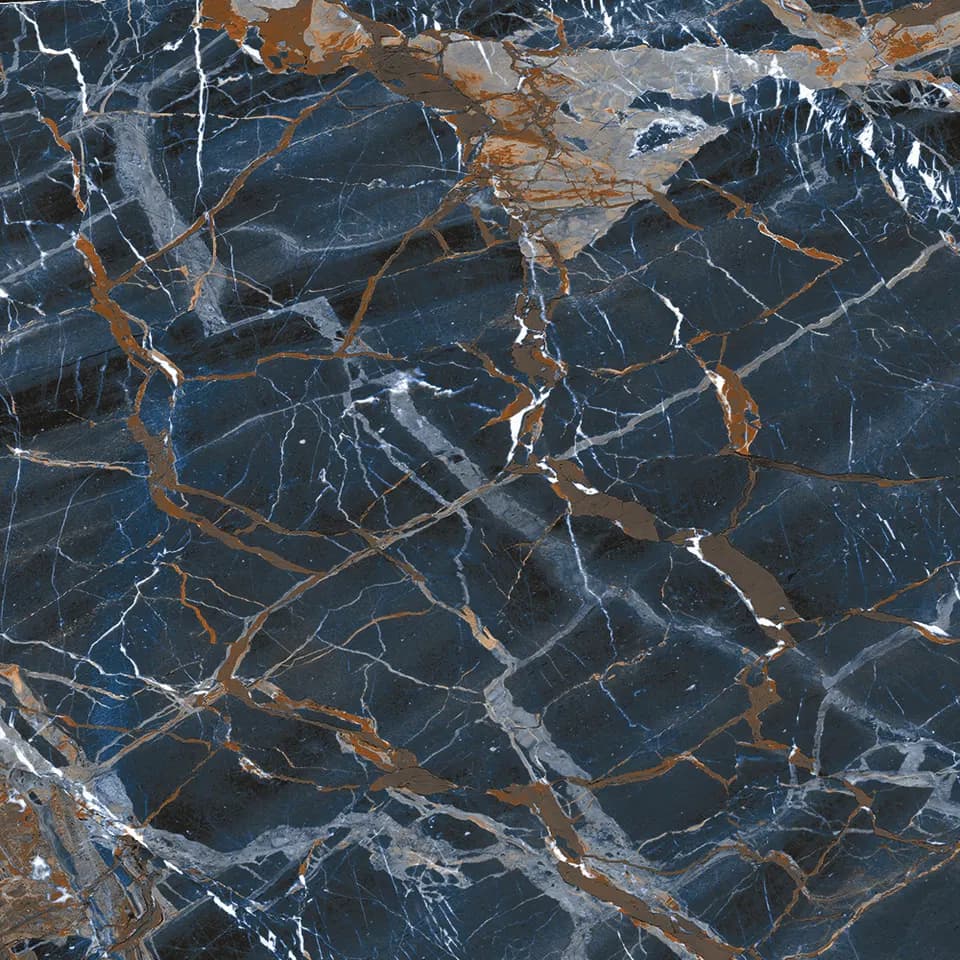
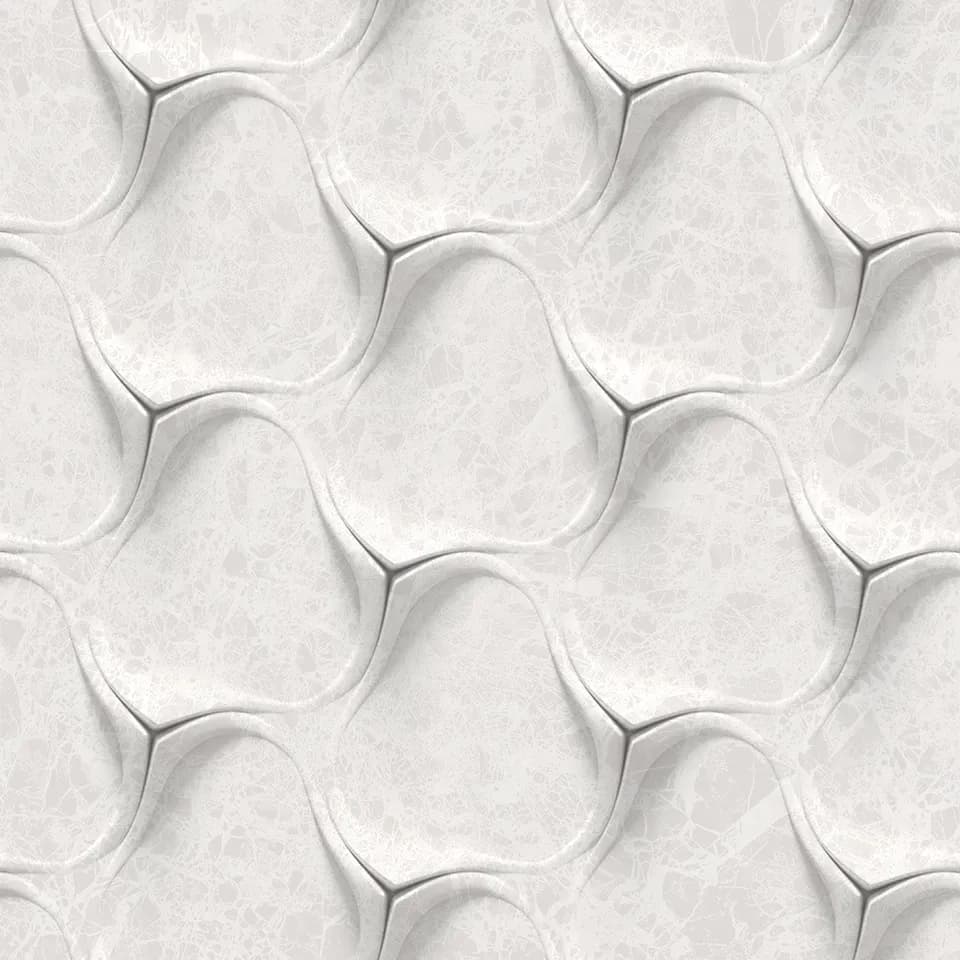
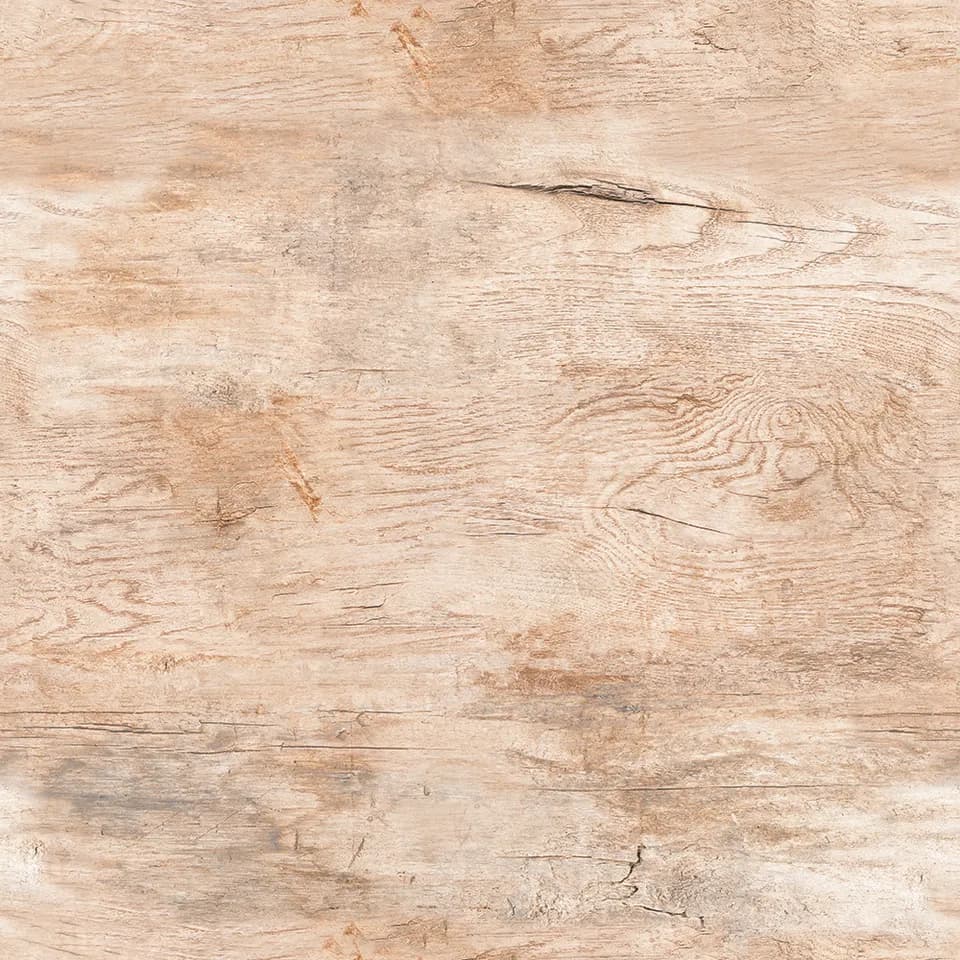
Rustic porcelain surfaces use visible or tactile texture to create a stronger material character than a smooth matt or polished surface. They are often selected for stone-, cement- or naturally inspired interiors, but “rustic” is not a standardized slip, strength or abrasion class.
Use the finish to define the desired look, then verify the exact tile’s use declaration, technical values, cleaning requirements and installation system.
Rustic finish selection checklist
| Check | What it tells you | What it does not prove alone |
|---|---|---|
| Texture | How pronounced the surface relief is | Wet-floor safety |
| Finish name | Visual family and tactile direction | Abrasion class or chemical resistance |
| Product application | Where the manufacturer intends the tile to be used | Whether the entire installed assembly is suitable |
| Sample under light | How texture and shadow appear | Long-term cleaning performance |
| Technical sheet | Declared tests and dimensions | Site workmanship quality |
Where rustic finishes can work well
Rustic surfaces can support industrial, natural, hospitality and commercial design languages. Concrete and slate-inspired graphics can feel more convincing when the surface has controlled texture, while earth-toned designs can reduce the visual formality of large floor areas.
Use room visuals for scale, but do not rely on them for technical approval. A rendered or photographed environment cannot prove the performance of the exact surface under your project conditions.
Texture changes both appearance and maintenance
Raised or micro-textured areas create small shadows that can make the surface look richer under directional light. The same structure may also retain fine dust or residues differently from a smooth tile. That does not make rustic tile inherently hard to maintain; it means the cleaning method should match the surface.
Dry-remove abrasive particles first, then use a compatible cleaner and tools that can reach the texture without damaging grout or adjacent materials.
Wet and commercial areas need specific evidence
Do not specify rustic tile for a wet entrance, washroom or commercial floor only because it feels rough to the hand. TCNA’s explanation of ANSI A326.3 notes that DCOF is not synonymous with slip resistance and that use conditions, contaminants, drainage, maintenance and footwear all affect the risk of slipping.
Use the exact product’s relevant classification or test information and applicable local requirements.
Installation quality remains critical
Texture cannot compensate for a weak substrate, insufficient mortar contact, missing movement joints or poor layout. For larger tiles, substrate flatness becomes especially important because high and low areas can increase lippage and make textured edges more noticeable.
Choose bonding materials for the substrate, tile, environment and service conditions, and follow the installation-material manufacturer’s instructions.
Is rustic finish always suitable outdoors?
No. Exterior suitability depends on the exact product, climate, surface, installation system, drainage and manufacturer declaration.
Is rustic tile automatically slip resistant?
No. Texture can influence traction, but finish name alone is not a slip-resistance classification.
Can rustic tile be used in commercial interiors?
Potentially, if the exact product is specified for the traffic and use conditions and the installation system is appropriate.
Should rustic tiles be sealed?
Do not assume. Sealing requirements depend on the actual surface and grout system. Follow the product and grout manufacturer guidance.
Continue with product-specific information
Use TAG Ceramic product pages, technical resources and current packing information to confirm the exact design before ordering or project approval.
Explore Rustic TilesRustic is a visual family, not an exterior or anti-slip rating
Rustic finishes are often associated with textured stone and natural architectural surfaces, but the label does not establish outdoor suitability, frost resistance or wet-floor classification. Those decisions must come from the exact product declaration and project requirements.
This distinction prevents a common specification error: treating a tactile feel as a technical certificate.
Considering a balcony or exterior area?
Check product-specific frost/exterior suitability plus drainage, mortar coverage and movement accommodation.
Exterior & frost guideTexture should be coordinated with the facility cleaning method
A pronounced relief can collect fine soil differently from a smooth surface. Commercial projects should confirm that available cleaning tools can reach the surface structure and that cleaners are compatible with tile, grout and adjacent materials.
A mock-up can validate both appearance and maintainability before full installation.
Installers need enough mortar support under textured floor tiles
The top texture does not change the need for sound support beneath the tile. Substrate flatness, compatible mortar, coverage checks and movement joints remain essential. A durable-looking surface cannot compensate for voids or a moving substrate.