Matt Finish Porcelain Tiles: Appearance, Maintenance & Selection Guide
A practical guide to matt porcelain tiles covering reflection, colour, maintenance, wet-area decisions, lighting and installation considerations.

Matt is a visual finish, not a promise of traction or easier maintenance
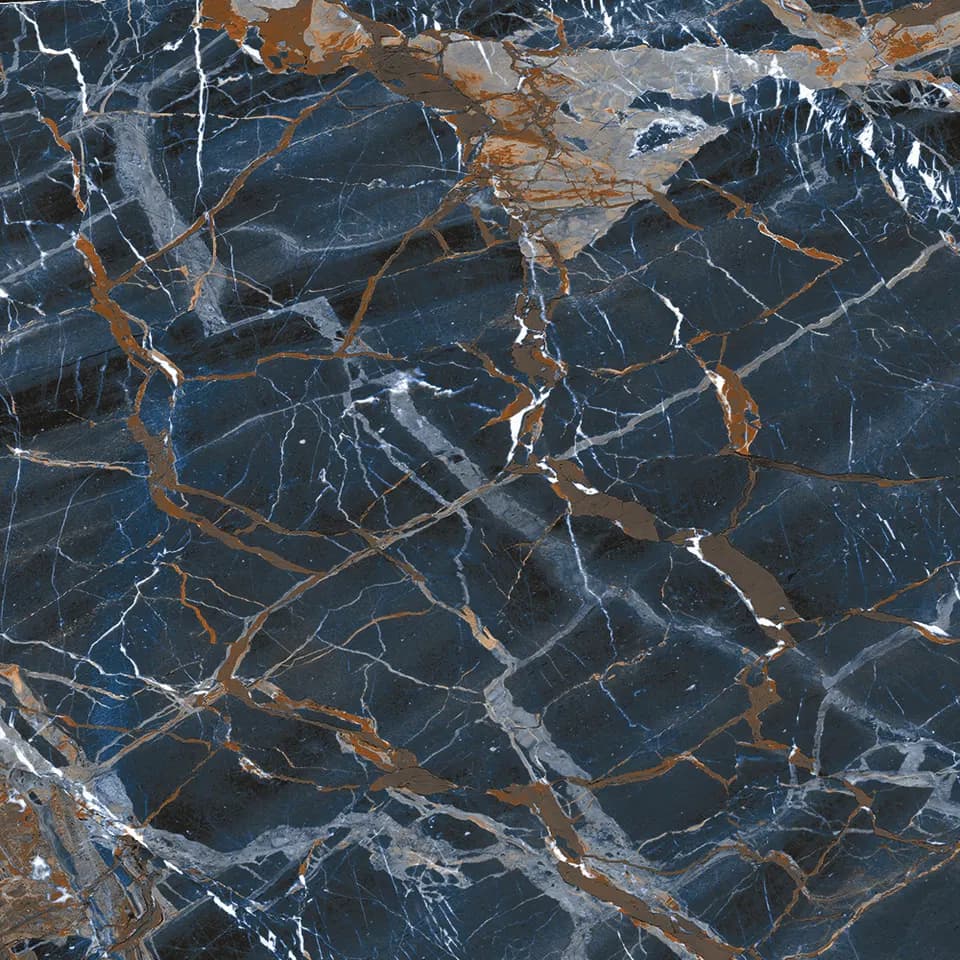
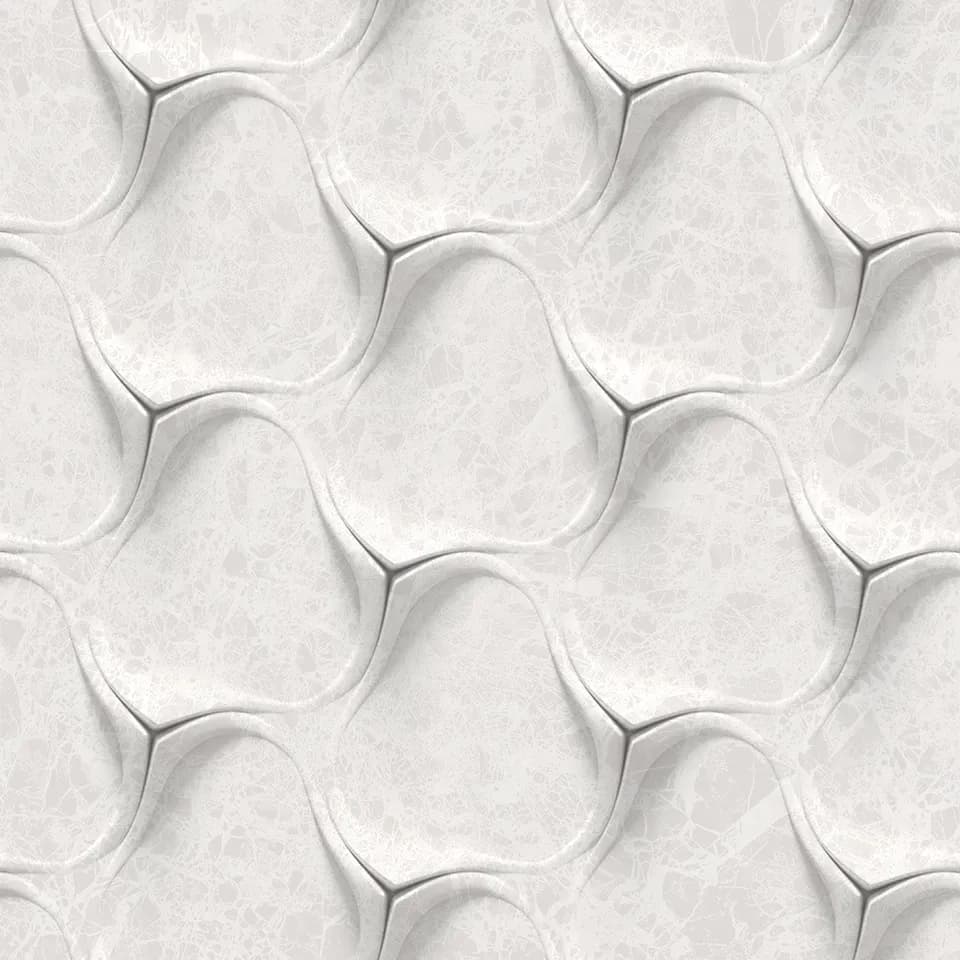
Matt porcelain surfaces diffuse light more softly than highly reflective finishes and are widely used in calm, contemporary interiors. They can make marble, stone, concrete and plain designs feel more architectural, but the practical behaviour of one matt tile can differ from another because surface structure and glaze systems vary.
Always evaluate the exact product rather than applying a universal rule to every matt tile.
Matt finish decision guide
| Factor | Typical visual effect | What to verify |
|---|---|---|
| Reflection | Low to moderate | Actual sample under project lighting |
| Texture | Smooth matt to structured matt | Cleaning method and intended use |
| Wet-area use | Cannot be inferred from finish name | Applicable DCOF/use classification |
| Dark colours | Can show dust depending on lighting | Real sample and maintenance expectations |
| Installation | Joint lines remain visible | Dimensions, substrate flatness and grout plan |
Why matt works in modern interiors
Matt surfaces reduce strong mirror reflections and can let furniture, lighting and architecture take visual priority. Neutral matt designs are often chosen for bedrooms, living rooms, offices and hospitality projects where a quieter floor is preferred.
The same low-reflection quality can make colour appear different from a glossy sample, so compare finishes side by side rather than assuming the graphic will look identical.
Matt does not automatically mean anti-slip
Surface finish labels are not standardized wet-safety ratings. A smooth matt tile and a structured matt tile may have very different measured friction. For floors exposed to water or contaminants, use product-specific performance data and the applicable project requirement.
ANSI A326.3 guidance also emphasizes that DCOF is one input among many, not a guarantee that slipping will or will not occur.
Maintenance depends on texture and colour
A smooth matt porcelain surface can be straightforward to clean when routine dust is removed before wet cleaning. More structured finishes may need additional agitation to remove dirt from micro-relief. Excess cleaner can leave a film that changes the appearance of low-gloss surfaces.
Follow cleaner dilution instructions, use clean tools and identify stains before using aggressive chemicals.
Choose grout and layout as part of the finish
Matt floors often rely on subtle continuity, so grout colour and joint consistency strongly affect the final appearance. A closely coordinated grout can reduce visual grid contrast, while a contrasting grout makes the module more obvious.
Joint width should be determined by tile variation, edge type, substrate and installation requirements—not by the desire to make grout disappear completely.
Are matt porcelain tiles easier to maintain than glossy tiles?
Not universally. Cleaning depends on surface texture, colour, traffic, contaminants and cleaning method.
Are matt tiles safe for bathrooms?
Some may be suitable, but the finish name alone is not enough. Check the exact product’s declared use and relevant wet-area performance.
Do matt tiles make a room darker?
They reflect less sharply than glossy surfaces, but perceived brightness also depends on tile colour, room lighting, wall finishes and window area.
Can matt tiles be used on walls?
Many floor-rated porcelain products can be used on walls when the substrate and fixing system are designed for the weight, but verify the exact product and installation requirements.
Continue with product-specific information
Use TAG Ceramic product pages, technical resources and current packing information to confirm the exact design before ordering or project approval.
Explore Matt TilesMatt vs Glossy Porcelain Tiles: Reflection, Care & Application Guide
Continue with the complete TAG Ceramic guide for this topic, then use product pages and current technical data for the exact design being considered.
Open complete guide