Multiple Tile Faces & Pattern Variation: How to Blend Porcelain Designs
A guide to multi-face digital tile designs covering intentional variation, shade/calibre, box mixing, dry layout, directional graphics and repeat control.

Multiple faces reduce obvious graphic repetition across a larger floor
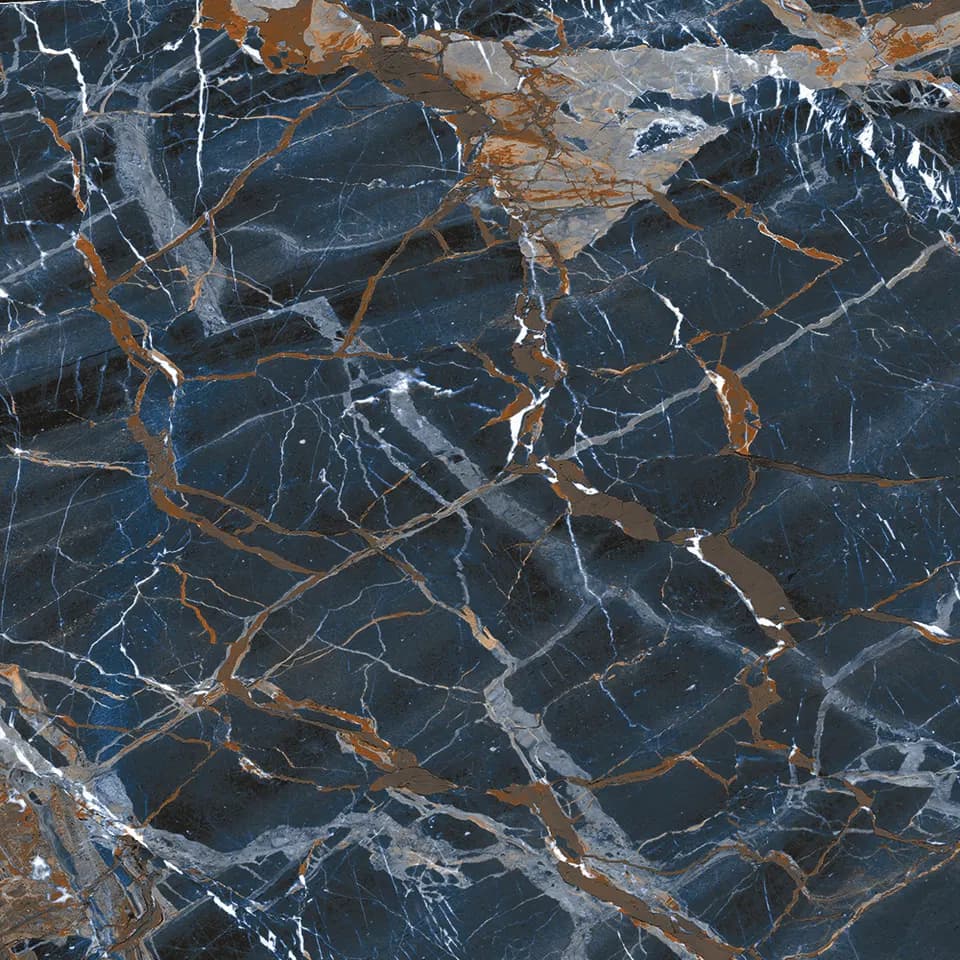
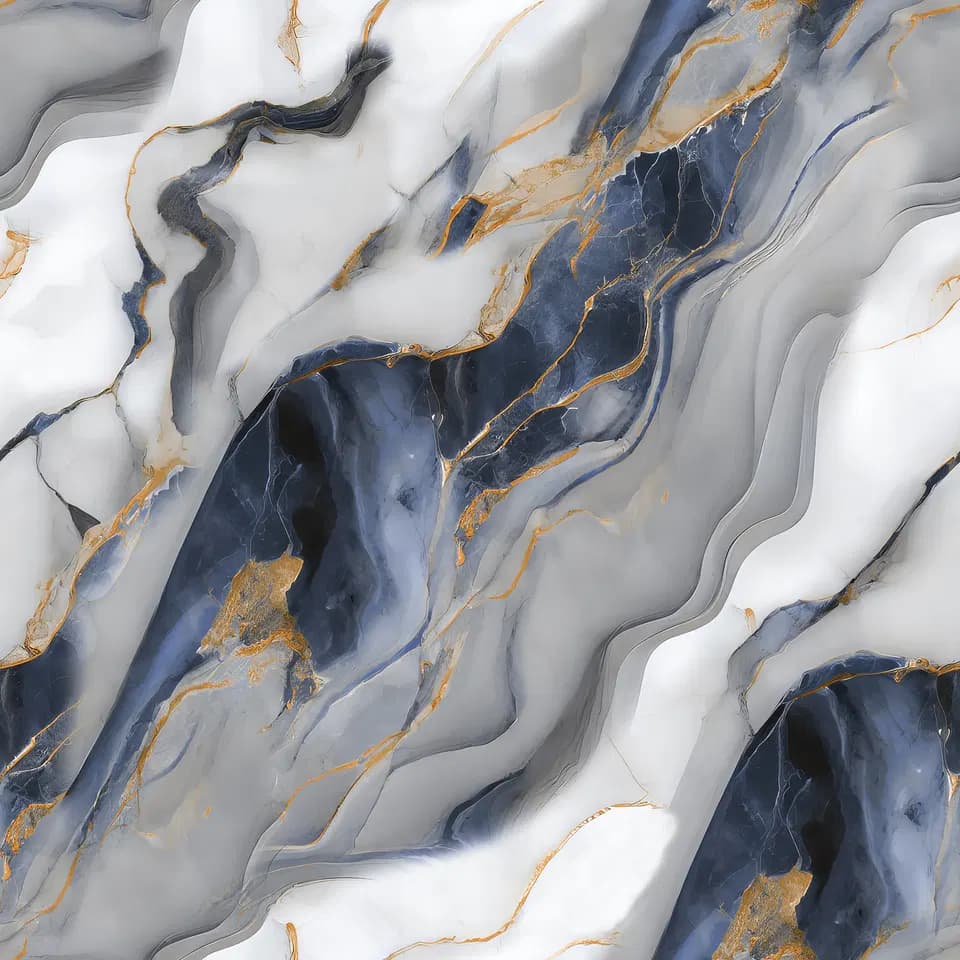
Digital decoration allows one tile design to include several distinct faces. Marble, stone, onyx and decorative collections may use this deliberately so an installed floor does not repeat exactly the same graphic every 600 mm.
The installer should understand the intended variation before fixing tiles. Randomly taking pieces from one carton can still create accidental repeated veins or directional clusters even when a design has many faces.
Planning different types of variation
| Design condition | Main risk | Planning response |
|---|---|---|
| Subtle stone faces | Differences are easy to miss initially | Mix compatible boxes and review a larger area |
| Strong marble faces | Repeated veins become obvious | Dry-layout representative pieces |
| Directional graphics | Unwanted arrows / flow | Plan rotations before fixing |
| Bookmatch/sequential concept | Sequence can be broken | Follow collection-specific face order |
| Strong shade variation | Clusters can appear accidental | Blend compatible material intentionally |
Face variation and production shade are not the same thing
Face variation is the intentional printed or decorated graphic difference between pieces. Shade or tone grouping relates to production colour, while calibre relates to dimensional grouping. A collection can contain many intentional faces while remaining within one coordinated shade/calibre group.
Keep these concepts separate during receiving and layout review.
Mix compatible material from multiple boxes
TCNA recommends checking shade/calibre information and shuffling tile from multiple boxes where appropriate. For multi-face products this helps distribute intentional variation across the floor rather than allowing carton sequences to form obvious clusters.
Do not deliberately mix incompatible shade or calibre groups merely to create more visual variation.
Dry-layout strong graphics
Place enough pieces on the floor to see how major veins, dark areas and repeated motifs interact. Rotate faces where the collection permits, or follow a defined sequence for bookmatch/endless designs.
For a complex approved arrangement, an overhead photograph can help preserve the intended order when pieces are lifted for installation.
Room visuals communicate scale, not an exact tile-by-tile guarantee
A lifestyle image helps buyers understand colour, scale and overall design direction, but the exact sequence of physical faces in a project depends on supplied material and layout. Do not promise that every floor will reproduce a marketing room image tile-for-tile.
The approved physical sample, product face set and actual supplied material should control the final arrangement.
What does multiple-face tile mean?
It means one design is manufactured with several graphic variations so the installed surface has less obvious repetition.
Should multiple faces be installed completely randomly?
Controlled blending is better. Review the faces, mix compatible boxes and avoid unintended repeated motifs or directions.
Is face variation the same as shade variation?
No. Face variation is intentional graphic difference; shade/tone variation relates to production colour grouping.
Do bookmatch tiles use random face order?
Not necessarily. Bookmatch or sequential designs may require a defined face sequence or orientation, so follow the collection-specific guidance.
Continue with product-specific information
Use TAG Ceramic product pages, technical resources and current packing information to confirm the exact design before ordering or project approval.
Browse Porcelain Designs600×600 Porcelain Tile Guide: Selection, Quantity, Layout & Installation
Continue with the complete TAG Ceramic guide for this topic, then use product pages and current technical data for the exact design being considered.
Open complete guide