
What Are Sugar Finish Tiles? Surface, Uses & Selection Guide
Understand sugar finish porcelain tiles, how their textured light-catching surface differs from matt and glossy finishes, where they can be used, and what buyers should check before selection.
Technical review: TAG Ceramic Quality Team
What is a sugar finish tile?
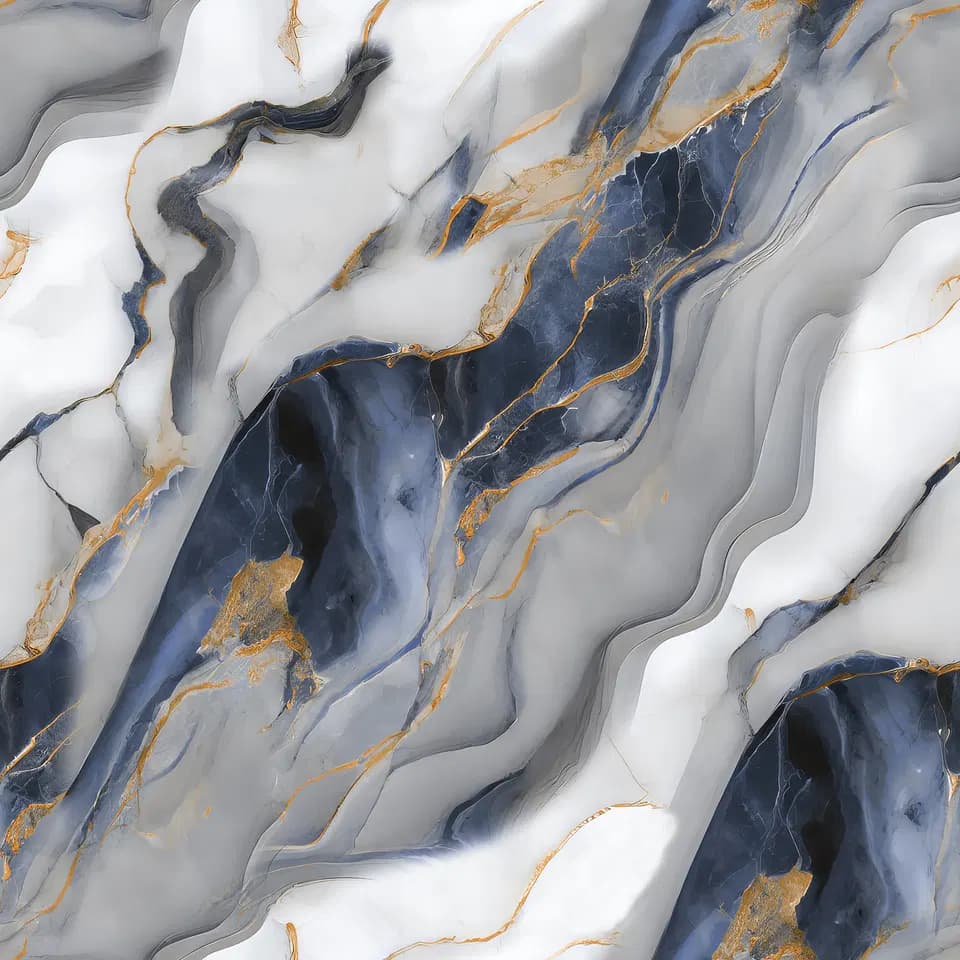
Sugar finish is a decorative tile surface characterised by a fine granular or crystalline-looking texture that interacts with light differently from conventional matt and glossy surfaces. The effect can give marble, stone and decorative designs additional visual depth without creating the continuous mirror-like reflection associated with a highly polished surface.
The exact appearance can vary between manufacturers, collections and designs, so the term should describe the surface character rather than be treated as a universal technical performance classification.
Sugar finish compared with other common tile finishes
| Finish | Visual character | Reflection | Selection consideration |
|---|---|---|---|
| Sugar | Fine textured or crystalline-looking surface | Controlled sparkle and changing highlights | View a physical sample under the project's real lighting |
| Matt | Soft and restrained | Low reflection | Useful where a calm architectural appearance is preferred |
| Glossy | Smooth and polished-looking | Higher reflection | Lighting and visible reflections strongly influence the result |
| Rustic | Textured and expressive | Generally restrained | Consider texture, cleaning requirements and intended application |
| Sand Effect | Stone-inspired tactile character | Usually softer | Useful for natural and architectural design directions |
Why designers choose sugar finish porcelain tiles
The main attraction of sugar finish is visual depth. Light interacts with the fine surface treatment and can make a design appear richer from different viewing angles. This is particularly useful for marble-inspired, mineral, decorative and contemporary patterns where a completely flat surface may not express the artwork as strongly.
The finish can also provide a useful middle ground for buyers who want more visual activity than a conventional matt surface but do not want the strong continuous reflection of a high-gloss finish.
Where can sugar finish tiles be used?
Sugar finish porcelain can be considered for living rooms, bedrooms, feature areas, hospitality interiors, showrooms, offices and other residential or commercial spaces when the individual product is suitable for that application.
Do not choose a tile for a floor, wall, wet area or commercial environment only because of its finish name. Confirm the exact product's declared application, technical characteristics, installation requirements and any project-specific slip or performance requirements.
How lighting changes the appearance of sugar finish
Lighting is especially important with a textured or light-reactive surface. Natural daylight, warm interior lighting and directional spotlights can each produce a different visual impression.
Before approving a large area, place a physical sample in the intended room and inspect it from several angles during different lighting conditions. For commercial projects, a larger sample panel can provide a more realistic understanding of repetition, joint appearance and overall surface character.
Choosing colour and design
Light colours can emphasise brightness and make the subtle surface highlights easier to notice. Beige, cream and warm neutral designs can create a softer atmosphere, while grey and darker designs can provide stronger contrast and a more architectural appearance.
For marble-look designs, also consider vein direction and repetition. A beautiful individual tile does not automatically guarantee the desired finished floor. Review multiple faces or room visuals where available before approving the design.
Sugar finish for 600×600 porcelain tiles
The 600×600 mm format provides a balanced module for many residential and commercial interiors. It is large enough to present marble, stone and decorative graphics clearly while remaining familiar to installers and project planners.
When estimating quantity, calculate the actual tiled area, add an allowance appropriate to the layout and cutting complexity, and then convert the requirement into full box quantities using the current packing information.
Cleaning and maintenance considerations
Routine maintenance should begin with removal of loose dust and grit, followed by cleaning methods suitable for the exact tile surface. Residue from unsuitable cleaners can affect the appearance of textured surfaces, so aggressive chemicals or unverified treatments should not be used simply because a tile is porcelain.
For new installations, construction residue and grout haze should be handled according to the tile, grout and installation-product recommendations. When uncertain, test the cleaning method on a small inconspicuous area first.
Sugar finish tile buyer checklist
| Check | Why it matters |
|---|---|
| Physical sample | Screens cannot accurately reproduce texture, sparkle or reflection |
| Multiple tile faces | Shows design variation and repetition across a larger floor |
| Room visual | Helps understand scale, furniture coordination and overall appearance |
| Technical specification | Confirms product characteristics for the exact tile |
| Intended application | Floor, wall, wet-area and commercial requirements can differ |
| Current packing data | Required for accurate project quantity, freight and B2B ordering |
| Approved sample reference | Useful for project, dealer and export order communication |
Sugar finish vs glossy tiles: which should you choose?
Choose according to the visual objective and project conditions rather than treating one finish as universally better. Glossy tiles generally produce stronger, smoother reflections and can create a very polished interior. Sugar finish creates a more textured light response and can add visual depth without relying on a continuous polished reflection.
The best comparison is a side-by-side physical sample viewed in the actual room.
What is a sugar finish tile?
Sugar finish describes a tile surface with a fine textured or crystalline-looking character that creates changing highlights as light moves across the surface. The exact appearance and technical properties depend on the individual product.
Is sugar finish the same as glossy finish?
No. Glossy tiles generally have a smoother, more continuously reflective appearance. Sugar finish usually has a more granular or textured light-catching surface.
Can sugar finish tiles be used for flooring?
Many sugar finish products are designed for floor applications, but suitability must be confirmed for the exact tile and project. Check the manufacturer's declared application and any required slip or technical characteristics.
Are sugar finish tiles suitable for living rooms?
They can be an attractive option for living rooms where a richer textured surface is desired. Colour, lighting, furniture, maintenance preferences and the exact product specification should all be considered before selection.
Should I select sugar finish tiles from an online image only?
For important projects, a physical sample is recommended. Screen colour, texture, sparkle and reflection can differ substantially from the installed appearance under real lighting.
Explore 600×600 Sugar Finish Porcelain Tiles
Browse TAG Ceramic sugar finish designs, open individual product pages and compare available visuals before selecting products for your project, dealership or export requirement.
Explore Sugar Finish Tiles