Tile Sample Approval & Mock-Ups: A Better Way to Approve Porcelain Projects
A project guide to physical sample approval, multi-tile mock-ups, lighting, grout, face variation, traceability and documented sign-off before bulk installation.

A small digital image cannot approve colour, texture, reflection and installed variation
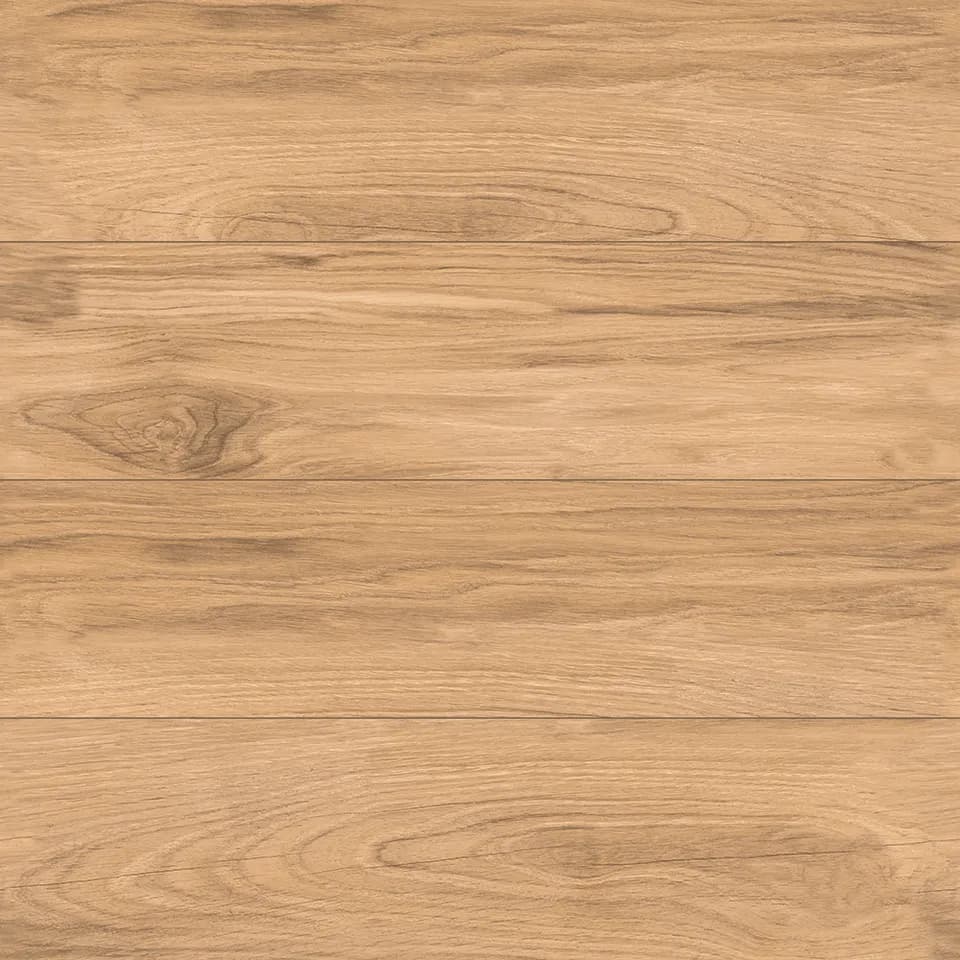
Website photography is useful for discovery, but a project approval should use physical material when colour, finish and surface texture are important. For multi-face, reflective or textured designs, a larger mock-up can reveal relationships that one loose tile cannot show.
The approved sample should be documented clearly enough that procurement and installation teams know exactly what was accepted.
What an approval mock-up can verify
| Item | Single sample | Larger mock-up |
|---|---|---|
| Colour / finish | Good initial check | Shows interaction across pieces |
| Face variation | Limited | Shows repetition and blending |
| Grout colour | Can be compared | Shows actual cured grid |
| Joint width | Concept only | Shows installed visual |
| Lighting | Can test surface response | Shows lippage/reflection more realistically |
Use the exact design and finish reference
Record design number, finish, nominal size and supplier reference with the approved sample. If shade/calibre or production references are relevant to the order, preserve those records too.
Avoid approval labels that say only “white marble tile” or another description that can match many products.
Build larger samples for varied or reflective designs
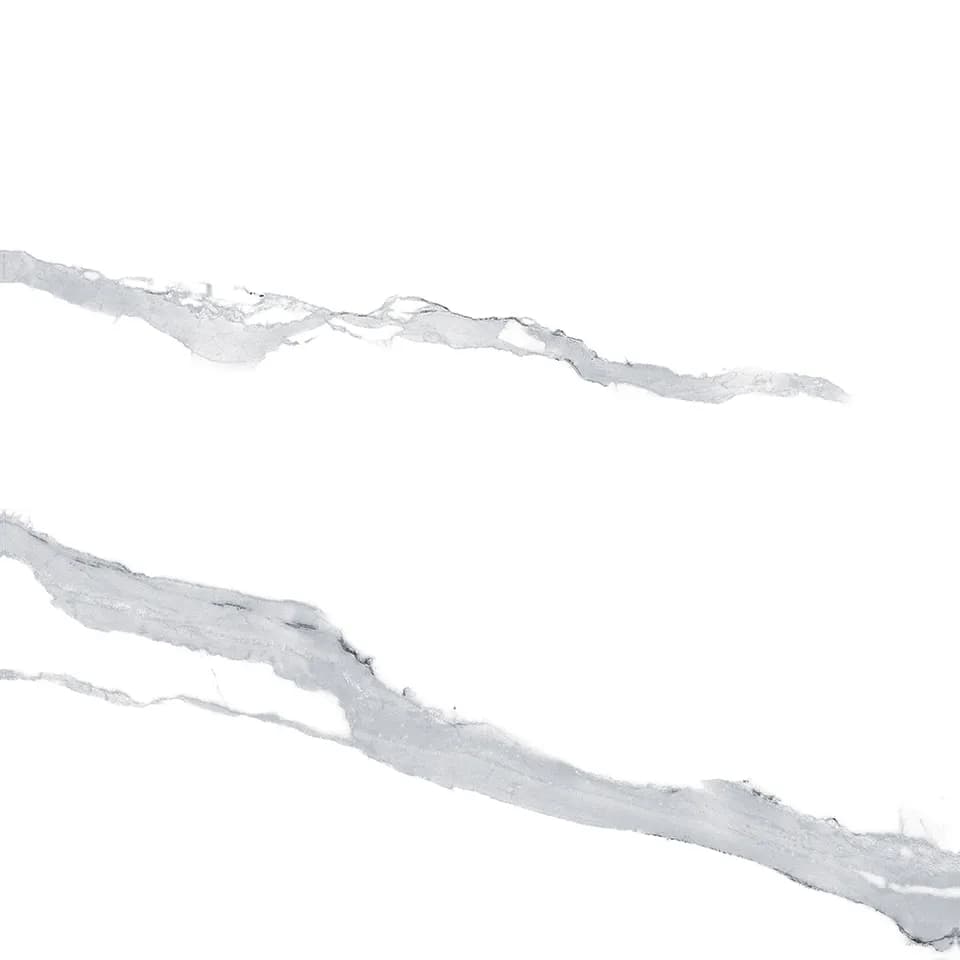
A single marble-look face cannot show how multiple veins combine. Likewise, a glossy surface viewed vertically will not show reflections exactly as it will on the floor.
For important spaces, lay several pieces horizontally with the intended grout and lighting.
Approve the grout and joint together with the tile
Grout colour and physical joint width can change the perceived design significantly. A cured mock-up is especially useful when the grout is strongly contrasting or the tile is textured.
Do not shrink the joint only to make the mock-up look more continuous if the supplied variation does not support that spacing.
Keep approval records through procurement and installation
Photograph the approved sample, identify who approved it and retain relevant product labels. The installer should have access to the same reference used by the designer/client.
This reduces disputes where the product delivered is correct but the visual expectation was never documented.
Is a website image enough to approve tile colour?
It is useful for selection but not ideal for final colour/finish approval because screens, photography and lighting alter appearance.
When is a multi-tile mock-up useful?
For strong face variation, reflective finishes, unusual grout, critical lighting or high-value architectural spaces.
What information should be recorded with an approved sample?
Design number, finish, size, grout/joint concept and any relevant production or project references.
Should room visualizations be treated as exact installed results?
No. They communicate design direction and scale, while actual face mix, lighting and installation affect the final floor.
Continue with product-specific information
Use TAG Ceramic product pages, technical resources and current packing information to confirm the exact design before ordering or project approval.
Request a SampleHow to Read a Porcelain Tile Technical Data Sheet
Continue with the complete TAG Ceramic guide for this topic, then use product pages and current technical data for the exact design being considered.
Open complete guide