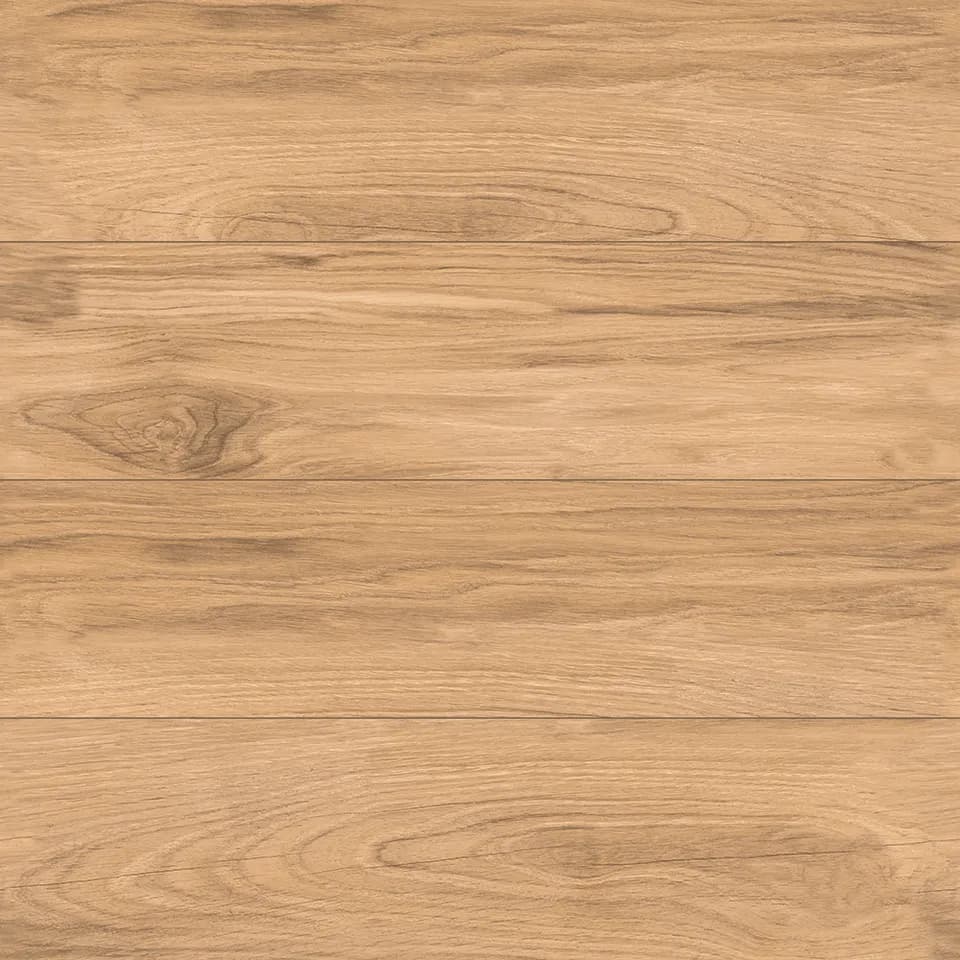
Repeat Tile Orders: Managing Shade, Calibre & Replacement Stock
A guide for dealers and projects ordering the same porcelain design later, covering batch variation, shade/calibre, samples, spare stock and extension planning.
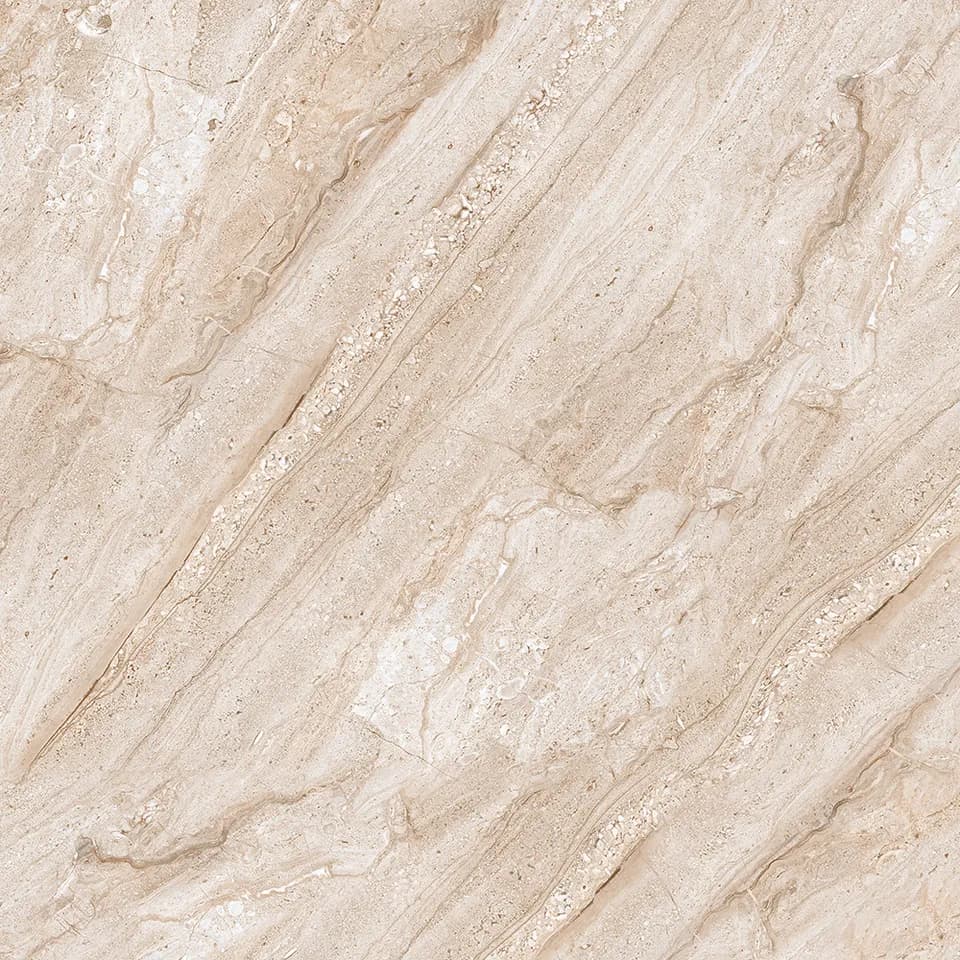
The same design number does not guarantee a future batch will be visually identical
Ceramic tile is fired, and permitted production variation can occur between manufacturing runs. Digital graphics may remain the same while overall shade or dimensional grouping changes. That is why shade/calibre traceability matters when extending an existing floor or replacing visible pieces.
Repeat-order planning should start by identifying the installed material, then comparing current stock before purchase.
Repeat-order checklist
| Check | Why | Action |
|---|---|---|
| Design number | Confirms product identity | Match exact reference |
| Finish | Same graphic can exist in different surfaces | Verify exact finish |
| Shade / tone | Can change between production | Compare current material |
| Calibre / dimension group | Affects joint/grid | Verify compatibility |
| Spare stock | Avoids future mismatch | Retain labelled originals where practical |
Start with original labels or spare material
If possible, retrieve a carton label, invoice, project schedule or spare piece from the original installation. A design description alone may not identify the exact finish or production group.
Photographs are useful but can be distorted by lighting and camera processing.
Compare current stock physically for visible extensions
When a new area directly meets an older floor, even a small shade change may be visible. Compare a current sample next to the installed surface under the same lighting.
For large extensions, a deliberate transition can sometimes manage unavoidable batch differences better than attempting to hide them.
Calibre affects an existing grid
A dimensional group that works as a new standalone floor may not align perfectly with the joint pattern of an older installation. Check actual supplied dimensions and existing joint width before committing.
Do not force new material into an old grid by eliminating joints.
Retain labelled spare pieces from the original project
Spare stock from the same order is the most reliable option for isolated future repair when practical. Store it dry and protected with design and production references.
Commercial facilities should include spare-stock policy in handover documentation.
Will the same tile design always match a future order exactly?
Not necessarily. Fired products can vary by production shade/calibre and designs can be revised or discontinued.
What is most useful for a repeat order?
Original design/finish records, shade/calibre information where available, and a physical spare piece.
Can a different calibre be installed next to the original floor?
It may create joint/grid problems. Compare actual dimensions and have the installer evaluate compatibility.
Why keep spare tile after a project?
It provides the closest available match for localized repairs and reduces dependence on future production availability.
Continue with product-specific information
Use TAG Ceramic product pages, technical resources and current packing information to confirm the exact design before ordering or project approval.
Request Current AvailabilityHow to Read a Porcelain Tile Technical Data Sheet
Continue with the complete TAG Ceramic guide for this topic, then use product pages and current technical data for the exact design being considered.
Open complete guide